Sensational Info About How To Build Model Sailboat
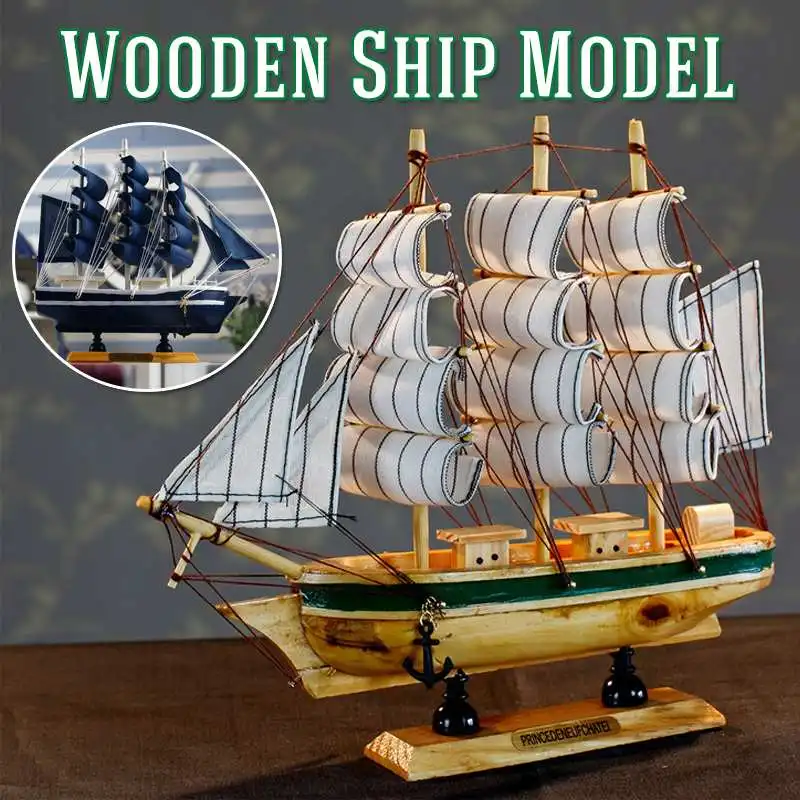
1. Define Your Vision
- Choose a Style: Decide whether you want a classic wooden sailboat, a sleek modern design, or a whimsical pirate ship. Research designs for inspiration.
- Functionality: Will it be a display model or a functional, floating sailboat? This decision will guide material and structural choices.
- Scale: Determine the scale of your model (e.g., 1:24 or 1:48).
Mindblowing Twist: Add a unique twist like solar-powered navigation for a functional, eco-friendly model.
2. Gather Materials and Tools
- Materials:
- Wood (balsa or basswood for lightweight models).
- Plastic sheets or 3D-printed parts for complex shapes.
- Fabric for sails (cotton or nylon).
- Metal or plastic for masts and keel.
- Waterproof adhesives and paints if it will float.
- Tools: Precision knife, ruler, sandpaper, clamps, hand drill, paints, and brushes.
Pro Tip: Use laser cutting or CNC tools for precision parts.
3. Create or Source Blueprints
- Find detailed plans online or sketch your own, considering hull shape, mast placement, and sail dimensions.
- Ensure your design maintains balance (center of gravity, buoyancy, and sail area ratio).
Mindblowing Approach: Use CAD software to design your blueprint and test it virtually in a simulation before building.
4. Build the Hull
- Method:
- For wooden models, construct a frame using ribs (cross-sections) and cover them with planking.
- Sand the surface for smoothness and ensure it’s watertight if it will float.
- Keel: Attach the keel to provide stability and prevent capsizing.
Extra Edge: Incorporate a transparent section in the hull to showcase the internal structure.
5. Assemble the Deck and Fittings
- Craft the deck using thin wooden sheets or plastic. Add details like cabins, cleats, and lifeboats for realism.
- Glue or screw these parts securely to the hull.
Innovative Detail: Include LED lights or miniature furniture for a lifelike feel.
6. Design and Attach the Mast and Rigging
- Use sturdy rods (wooden dowels or metal) for masts.
- Attach the boom (horizontal rod) for supporting the sail.
- Add rigging (thread or fishing line) to connect the mast, sails, and deck.
Mindblowing Engineering: Use adjustable rigging for realistic sail tension control.
7. Cut and Attach the Sails
- Cut your chosen fabric to fit the sail design.
- Attach the sails to the mast and boom using glue or stitches.
Pro Move: Use weathering techniques on the sails for an aged, authentic look.
8. Paint and Finish
- Paint the hull and deck using waterproof paint for durability.
- Add details like flags, decals, and varnish for shine and protection.
Artistic Flair: Add hand-painted patterns or digital decals to personalize the model.
9. Test and Tweak
- For floating models, test in a controlled water body (like a bathtub or pool).
- Adjust the keel weight, rigging, or sail angle to optimize performance.
Mindblowing Testing: Use a wind tunnel or fan to test sail responsiveness.
10. Display or Sail
- Set up a stand to showcase your masterpiece or let it sail in a pond or lake.
- Document the build process for social media or competitions.
Mindblowing Impact: Incorporate Bluetooth control for remote steering and enhance it with GPS tracking!
With these steps, your model sailboat will not just be a miniaturized wonder but also a marvel of creativity and engineering.

12 Meter Build Sailboat Yacht, Model Sailboat, Sailing
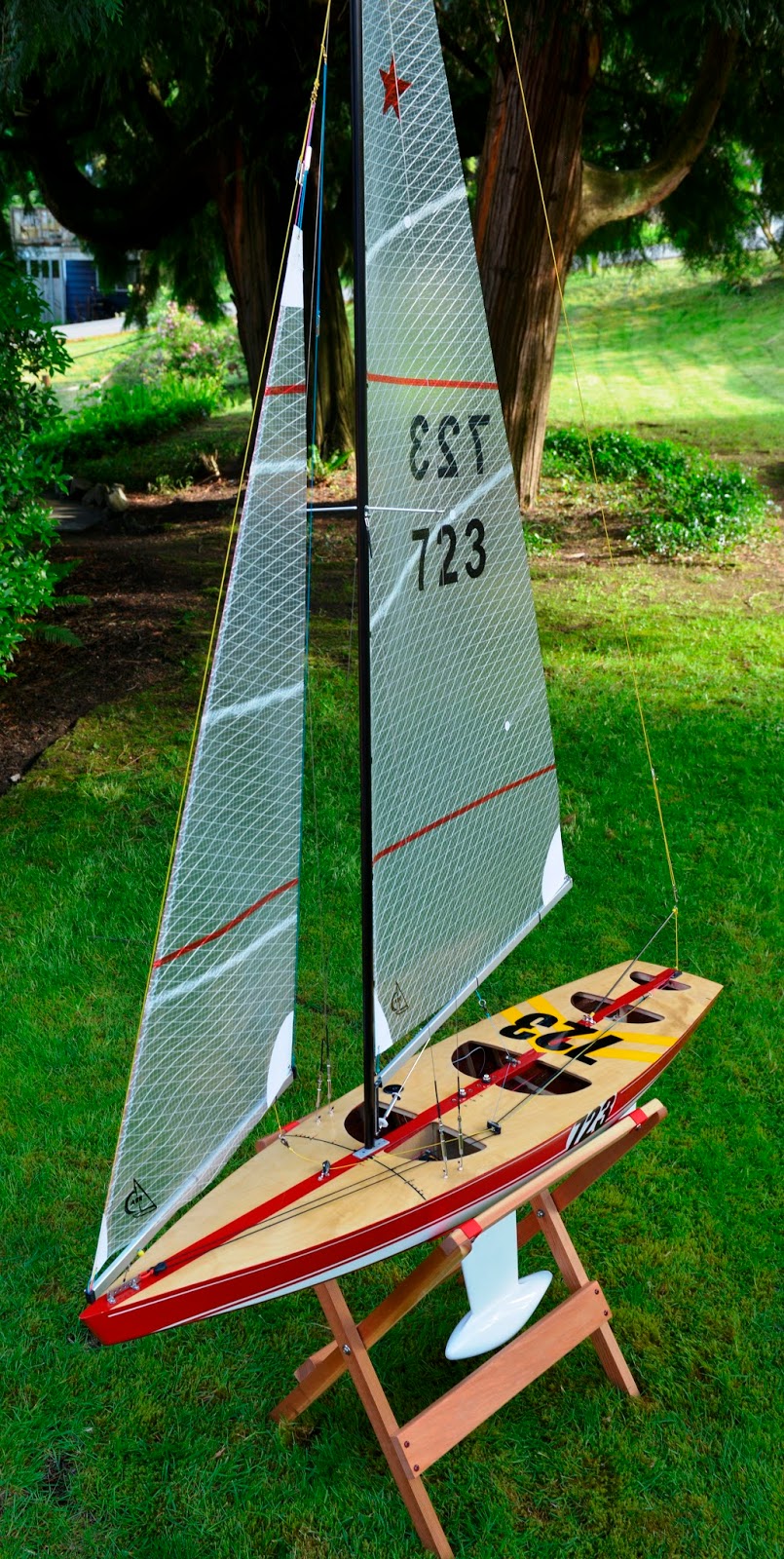
R/c Sailboat Builds
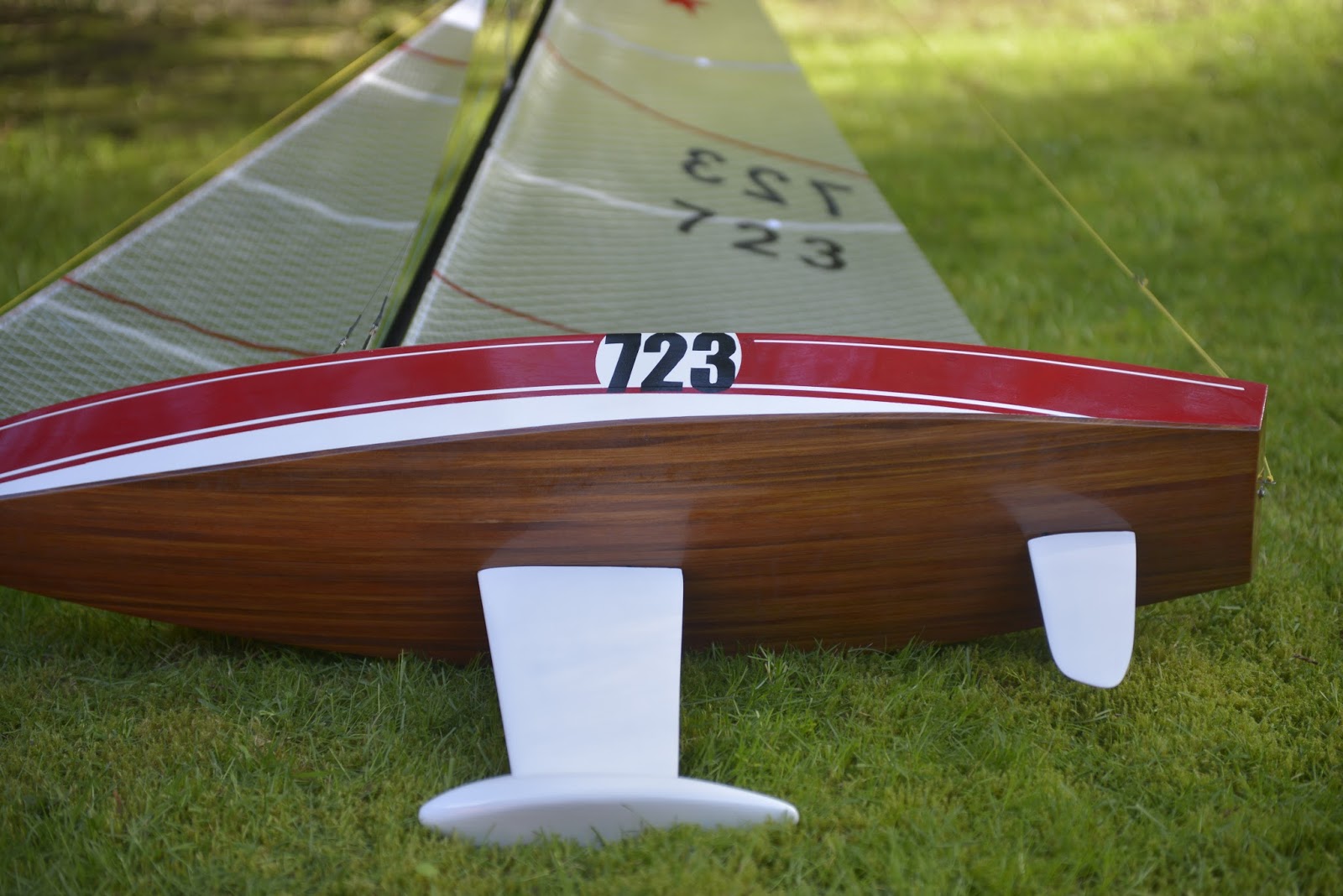
R/c Sailboat Builds

Pin On 103020 Rc Sailboats

Gallery Pictures Dumas Lightning Sailboat 19 Kit Wooden Boat Model


Comments
Post a Comment