Breathtaking Tips About How To Check For Student Understanding

Checking for student understanding is essential for effective teaching and ensures that students grasp concepts before moving forward. Let me break this down step by step, with actionable strategies that bring the theory to life:
Mind-Blowing Insights: When applied systematically, these strategies ensure that both you and your students can actively track progress. Checking for understanding isn’t just a one-time event but a dynamic loop where feedback shapes learning. With these tools, the classroom transforms into a space of constant growth and adaptation!
Step 1: Set Clear Learning Objectives
Theory: Students need a roadmap of what they’re expected to learn to gauge understanding effectively. Application:- At the beginning of the lesson, outline key objectives: "By the end of this lesson, you should be able to explain X, solve Y, and analyze Z."
- Use visuals, whiteboards, or digital tools to highlight objectives in a clear, memorable format.
Step 2: Use Formative Assessments
Theory: Frequent, low-stakes assessments provide snapshots of student understanding without the pressure of grades. Application:- Quick checks: Ask targeted questions like “What is the difference between X and Y?”
- Exit tickets: Before students leave, have them write one thing they learned and one question they still have.
- Interactive tools: Use tools like Kahoot or Poll Everywhere for live quizzes to assess comprehension dynamically.
Step 3: Encourage Peer-to-Peer Explanation
Theory: Teaching others solidifies understanding because students must translate knowledge into their own words. Application:- Pair students to discuss the topic and explain concepts to each other.
- Use structured peer-review techniques, like asking students to summarize a peer's explanation or provide constructive feedback on their work.
Step 4: Monitor Non-Verbal Cues
Theory: Body language, facial expressions, and engagement levels often reveal comprehension (or confusion). Application:- Observe students as they work on tasks. Look for signs of struggle, like hesitation or blank stares.
- Use a thumbs-up/thumbs-down system during discussions for a quick temperature check.
Step 5: Scaffold with "Chunk and Check"
Theory: Breaking information into digestible pieces helps prevent cognitive overload and ensures mastery at each stage. Application:- Teach small chunks of material, then pause to check understanding through questioning or activities.
- For example, teach a single step in a math problem, then have students practice just that step before moving to the next.
Step 6: Foster a Safe Space for Questions
Theory: Students need to feel comfortable admitting when they don’t understand. Application:- Normalize mistakes by sharing your own learning struggles: “When I first learned this, I found it tricky too.”
- Use anonymous question boxes (physical or digital) so students can ask questions without fear of judgment.
Step 7: Use Visual Representation of Understanding
Theory: Visual aids like charts and graphs make abstract concepts tangible. Application:- Have students create mind maps, diagrams, or infographics summarizing their understanding.
- For a topic like ecosystems, ask students to draw a food web and explain how energy flows through it.
Step 8: Adapt Based on Feedback
Theory: Instruction should be flexible, evolving in response to student needs. Application:- If many students struggle with a concept, revisit it with different teaching methods, like hands-on activities or real-life examples.
- Use mid-lesson surveys to ask: “What part of this lesson is still unclear?”
Step 9: Encourage Reflection and Self-Assessment
Theory: Students must learn to evaluate their own understanding to become independent learners. Application:- At the end of a lesson, have students write what they learned, how they learned it, and what they’re still curious about.
- Use rubrics or checklists for students to assess their progress against objectives.
Step 10: Summative Assessments as Confirmation
Theory: Final evaluations confirm long-term understanding but should align with the ongoing formative checks. Application:- Design tests or projects that synthesize key objectives. For example, a history project might ask students to analyze primary sources and argue a thesis.
- Provide constructive feedback that focuses on growth: “You did X well, and here’s how you can improve Y.”
Mind-Blowing Insights: When applied systematically, these strategies ensure that both you and your students can actively track progress. Checking for understanding isn’t just a one-time event but a dynamic loop where feedback shapes learning. With these tools, the classroom transforms into a space of constant growth and adaptation!

Check Student Understanding With Exit Tickets, Marzano Rating Scales

A Year Of Awesome Week 1 Mrs. Beattie's Classroom
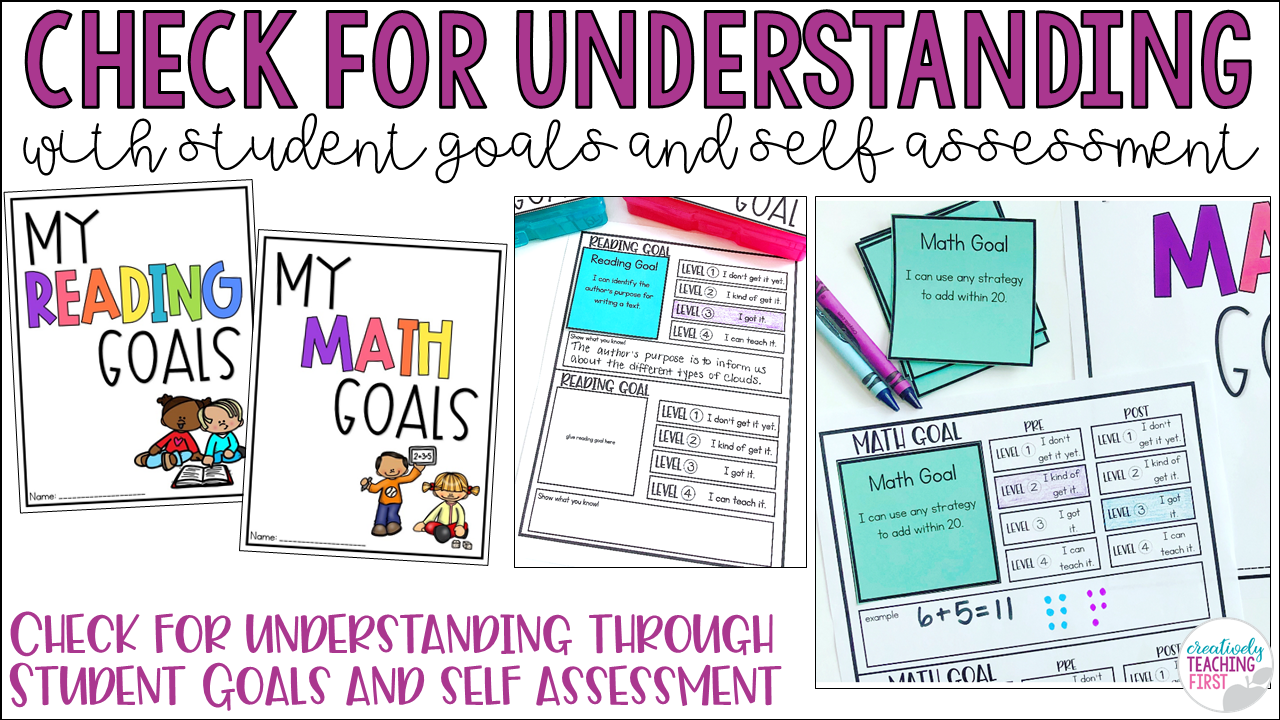
Check For Understanding Through Student Goals And Self Assessment

The Primary Peach 5 Quick Ways To Check For Understanding
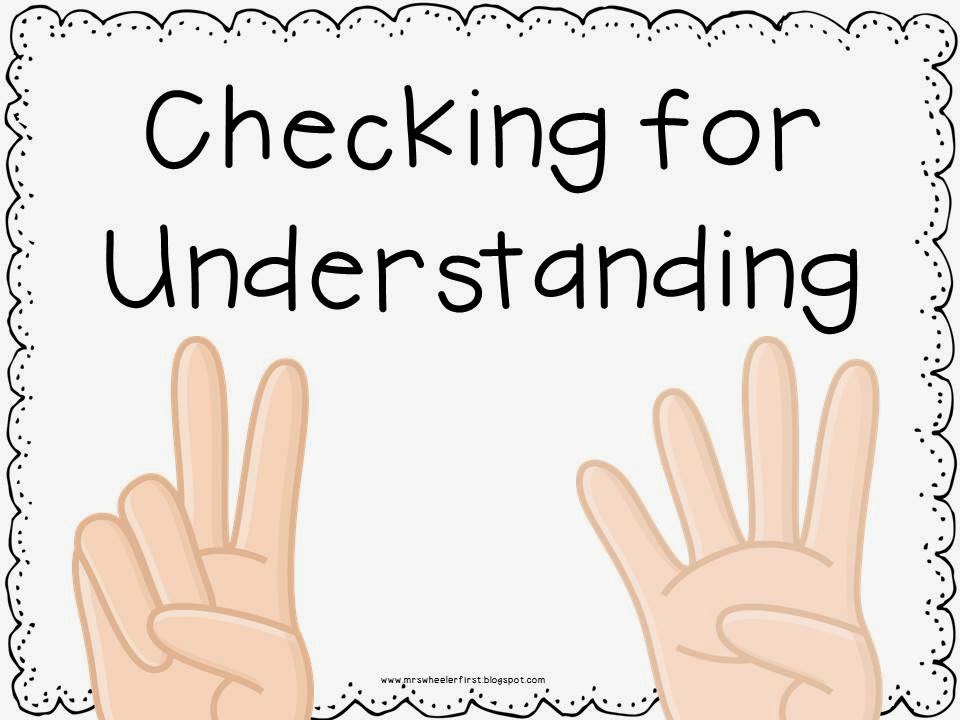
Mrs. Wheeler's First Grade Tidbits Checking For Understanding


Comments
Post a Comment