
Treating tongue ulcers effectively requires both understanding the causes and applying a step-by-step approach for relief and healing. Let's break this down so you can see how the theory of treatment is applied practically, step by step:
Step 1: Identify the Cause
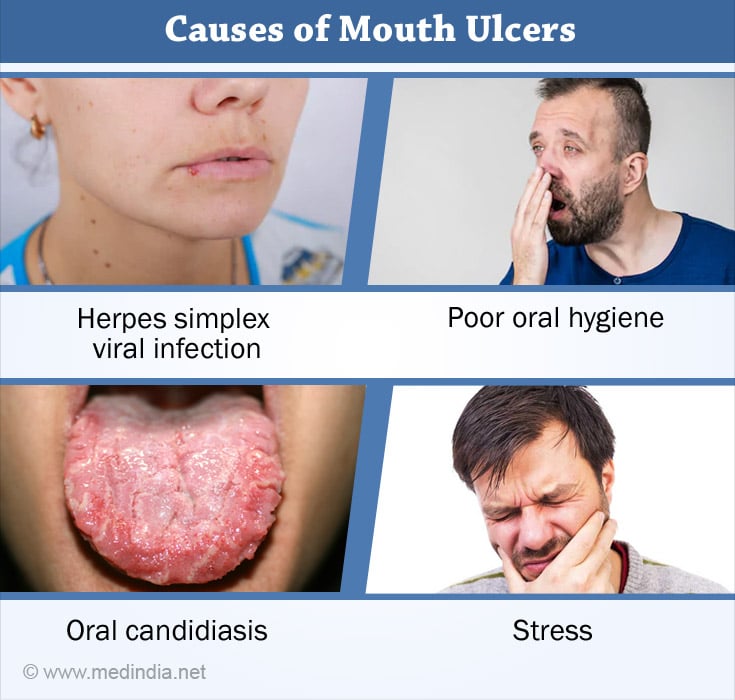
Understanding the cause of the tongue ulcer is essential for effective treatment. Ulcers on the tongue can be caused by a variety of factors:
- Trauma: Biting the tongue accidentally, eating rough food, or using a toothbrush too aggressively.
- Stress: Emotional stress or lack of sleep can lead to mouth sores.
- Diet: Acidic, spicy, or irritating foods like citrus fruits, tomatoes, or spicy snacks can trigger or worsen ulcers.
- Underlying conditions: Conditions such as vitamin deficiencies, hormonal changes, digestive issues (like celiac disease or Crohn’s), or infections (like herpes simplex) may also contribute.
- Medication side effects: Certain medications (like NSAIDs or chemotherapy drugs) can cause ulcers as a side effect.
By identifying the cause, we can determine if further medical intervention is needed or if simple home remedies will suffice. In some cases, identifying and removing the trigger (like stopping a medication or avoiding spicy foods) can be enough for healing.
Step 2: Cleanse the Area
The first practical action is to gently clean the area around the ulcer. This prevents further infection and promotes faster healing. Here’s how:
- Rinse with saltwater: Mix 1 teaspoon of salt in a glass of warm water and rinse your mouth gently. Salt has natural antiseptic properties and can help reduce swelling.
- Avoid harsh chemicals: Don’t use mouthwash with alcohol or other irritating ingredients, as they can worsen the ulcer.
Step 3: Pain Relief and Symptom Management
To manage the pain and prevent irritation, we need practical measures that target the discomfort:
- Topical gels or ointments: Products containing benzocaine or hydrocortisone can help numb the ulcer and reduce inflammation. Apply these directly on the ulcer after meals or before bed for relief.
- Ice cubes: Suck on ice cubes or hold them against the ulcer to reduce pain and swelling. The cold temperature numbs the area and provides instant relief.
- Avoiding spicy or acidic foods: These foods can further irritate the ulcer and delay healing. Stick to bland foods like oatmeal, mashed potatoes, and rice until the ulcer heals.
Step 4: Enhance Healing with Natural Remedies
Once the immediate pain is under control, we can speed up healing using natural remedies:
- Honey: Honey has natural antimicrobial properties and can help heal ulcers faster. Apply a small amount directly to the ulcer three times a day, especially after eating.
- Coconut oil: Known for its anti-inflammatory and antibacterial properties, coconut oil can be applied to the ulcer to soothe and promote faster healing.
- Aloe vera gel: This is another soothing remedy. It helps reduce inflammation and speeds up the healing of ulcers.
Step 5: Maintain a Healthy Diet and Lifestyle
Support the healing process by ensuring your body gets the right nutrients:
- Vitamin B12: A deficiency in B12 can contribute to ulcers. You can increase intake through foods like eggs, dairy products, or B12 supplements.
- Iron and folic acid: These are important for maintaining overall health and preventing future occurrences. Leafy greens, beans, and fortified cereals are good sources.
- Hydration: Drink plenty of water to keep your mouth moist and promote healing. Dehydration can worsen mouth ulcers.
Step 6: Monitor for Complications
If the ulcer does not heal within 10-14 days or if it increases in size or becomes more painful, it could be indicative of a more serious underlying issue. Seek medical attention in the following cases:
- Ulcers that don't heal.
- Recurring or frequent ulcers.
- Severe pain or swelling.
- Difficulty swallowing or breathing.
A healthcare provider can perform tests to determine if there’s an underlying condition contributing to the ulcers and suggest appropriate treatments.
Step 7: Prevent Future Ulcers
Finally, preventing tongue ulcers from reoccurring is key to long-term oral health:
- Oral hygiene: Use a soft-bristled toothbrush and practice gentle brushing to avoid irritation. Don’t forget to floss daily.
- Stress management: Since stress is a common trigger, engaging in stress-relief activities like exercise, meditation, or deep breathing can help.
- Avoid known triggers: Once you identify the foods or habits that trigger ulcers (such as acidic foods or certain medications), try to avoid them as much as possible.
- Regular check-ups: If ulcers are recurrent, consult with a dentist or doctor to explore possible health issues, such as autoimmune diseases or vitamin deficiencies.
Mind-blowing Application: Putting the Theory into Practice
By using these steps, you don’t just treat the ulcer; you actively reduce the risk of future ulcers while ensuring that your healing process is as efficient and comfortable as possible. It’s a holistic approach that blends immediate relief with long-term prevention, keeping your mouth healthy and minimizing discomfort.
- Immediate Relief (Pain): Apply topical gels, use saltwater, and keep foods bland.
- Faster Healing: Use natural remedies like honey and aloe vera while supporting your diet with the right nutrients.
- Prevention: Manage stress, improve oral hygiene, and avoid known triggers for long-term success.
By systematically applying each of these steps, you’re tackling the problem from multiple angles—practical, immediate, and preventative. This holistic approach is what makes the theory truly applicable and effective in real life.
Does this approach help you understand how the theory of treating tongue ulcers works in a real-world context?




Comments
Post a Comment