Divine Tips About How To Teach Children To Get Along
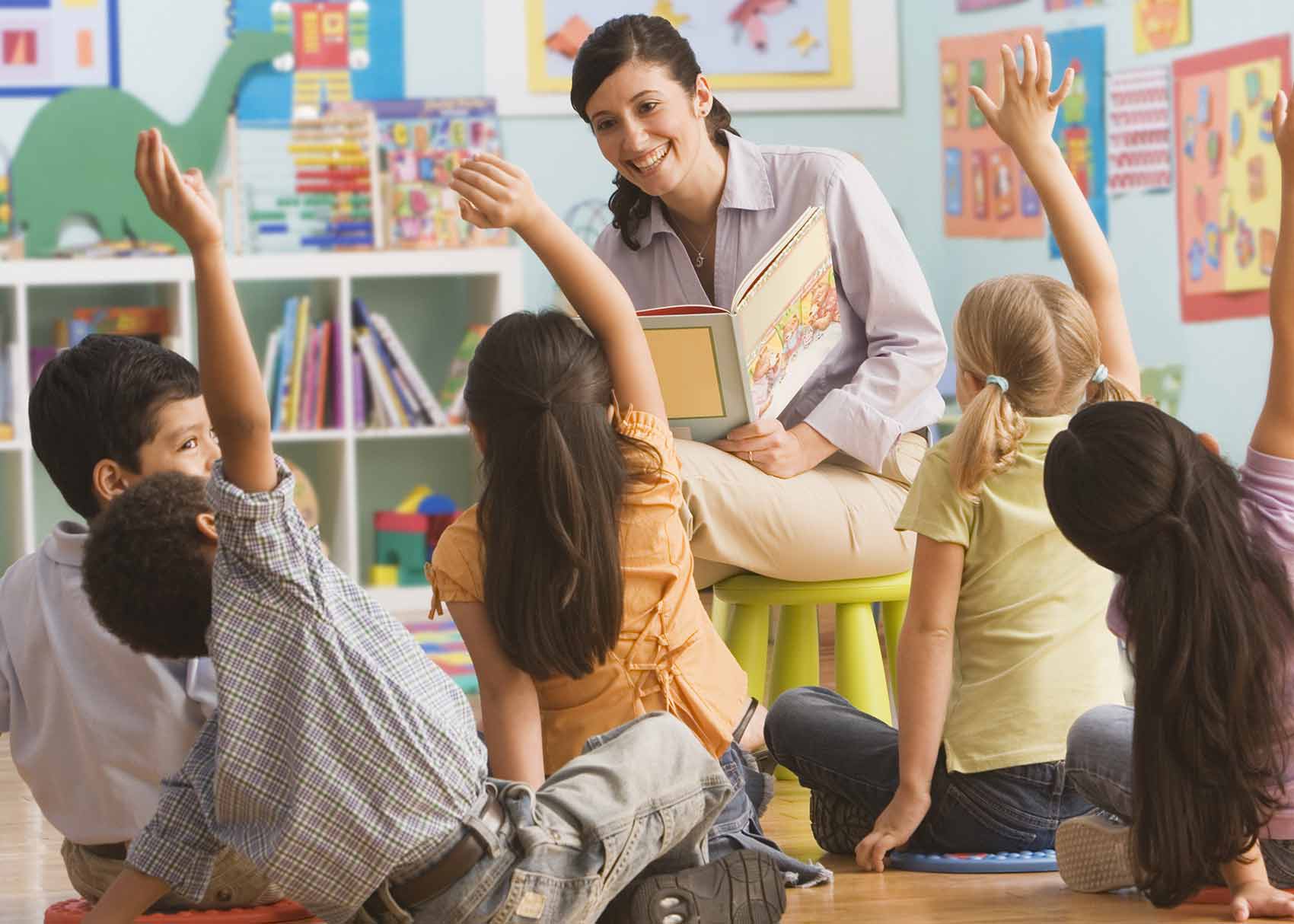
"Teach Children to Get Along" (TCTGA) is a valuable framework for fostering positive social interactions, collaboration, and conflict resolution skills among children. The key principle behind this theory is based on teaching children the fundamental skills required to navigate social situations, resolve conflicts, and build meaningful relationships in a way that fosters mutual respect, understanding, and empathy.
To break this down and show how it can be applied to real-life situations, let's walk through the steps in a methodical way:
1. Build Self-Awareness and Emotional Regulation
Objective: Children need to recognize their own feelings and understand how to manage them before they can navigate social interactions effectively. Step in Practice:- Modeling Emotional Awareness: A teacher or parent could model how to express emotions clearly, using phrases like, "I feel frustrated because I can't find my favorite toy" or "I'm excited about this game!" This helps children identify emotions in themselves.
- Use of Emotional Vocabulary: Teach children words to describe emotions: happy, sad, angry, excited, etc. This expands their emotional range and helps them articulate how they feel, reducing frustration or aggressive reactions.
- Mindfulness and Breathing Exercises: In moments of tension (e.g., during an argument), you can lead the group in a short breathing exercise: “Let’s all take three deep breaths and count to ten together.” This teaches children how to pause and regulate their responses in stressful situations.
2. Teach Empathy and Perspective-Taking
Objective: Children must understand how others feel in order to communicate effectively and resolve conflicts. Step in Practice:- Guided Role-Playing: Use role-playing scenarios where children swap roles. For example, one child acts as the "person who took the toy," and the other as the "person whose toy was taken." This helps each child understand the other's perspective.
- “How Would You Feel?” Prompts: When an argument arises, ask children, “How do you think they feel right now?” This promotes empathy by helping them think beyond their own feelings.
- Storytelling and Books: Use stories or books that explore different emotions and how characters interact. Ask open-ended questions like, "What do you think made the character feel sad? What could they do differently?"
3. Encourage Positive Communication Skills
Objective: Teaching children to express themselves respectfully and listen actively to others is a key step in conflict resolution. Step in Practice:- Use “I” Statements: Teach children to use “I” statements instead of blaming others. For example, instead of saying, “You always take my stuff!” they should learn to say, “I don’t like it when my things are taken without asking.”
- Active Listening: Model how to listen carefully without interrupting. You could play games where children take turns talking while the other listens attentively, then summarizing what the speaker said.
- Conflict Resolution Scripts: Provide children with conflict resolution scripts like, "When you do X, I feel Y. Can we find a way to fix this?" Practice these scripts in group discussions or one-on-one situations.
4. Teach Problem-Solving and Negotiation
Objective: Children need to understand that conflicts are natural, but they can work through them with collaborative problem-solving. Step in Practice:- Brainstorming Solutions: When a conflict arises, encourage children to think of multiple solutions rather than immediately taking sides. "What are some ways we can fix this situation?" Prompt them to come up with creative ideas.
- Negotiation Role-Play: Set up scenarios where children have to negotiate. For example, if two children both want the same toy, they could practice negotiating a fair solution, such as taking turns or sharing the toy.
- Guided Conflict Resolution: Walk children through the steps of resolving conflicts: "First, let’s talk about what happened. Then, let’s figure out how we can fix it so everyone is happy."
5. Reinforce Positive Social Behaviors
Objective: Positive reinforcement helps children see the benefits of getting along with others. Step in Practice:- Praise Positive Interactions: When children work well together, share, or resolve conflicts peacefully, give them praise. For example, “Great job working together to figure that out!” This reinforces positive behaviors and boosts self-esteem.
- Incentivize Collaboration: Use reward systems that encourage collaborative behavior. For example, a group reward could be earned when everyone participates positively, fostering teamwork and a sense of accomplishment.
- Encourage Group Projects: Activities like group art projects or team games reinforce the importance of collaboration and help children see the joy in working together.
6. Provide a Safe and Supportive Environment
Objective: For children to thrive socially, they need an environment where they feel safe to express themselves and learn from mistakes. Step in Practice:- Establish Clear Boundaries and Expectations: Set clear rules for behavior, emphasizing respect, kindness, and fairness. For example, "We always use kind words and listen to each other."
- Foster a Growth Mindset: Encourage children to see challenges as opportunities to grow. If a conflict arises, frame it as a learning experience: “This situation didn’t go as planned, but we can use it to practice problem-solving skills next time.”
- Be a Role Model: Children will often model adult behavior. By handling conflicts calmly, listening attentively, and showing empathy, adults set a powerful example for children to follow.
Conclusion: Real-Life Application of TCTGA
By following these steps, children are equipped with the tools they need to understand themselves and others, communicate effectively, solve problems, and collaborate. These skills are foundational not just for reducing conflict but for fostering a positive, inclusive environment in which children can build strong social relationships. Teaching children to get along involves creating opportunities for them to practice these skills regularly, reinforcing positive behavior, and modeling good practices. Over time, these interactions can transform into lasting habits, making children more empathetic, cooperative, and socially skilled as they grow.
The Ultimate Guide To Teaching Kids How Read Playdough Plato

7 Ways To Help Children Get Along Building Classroom Community
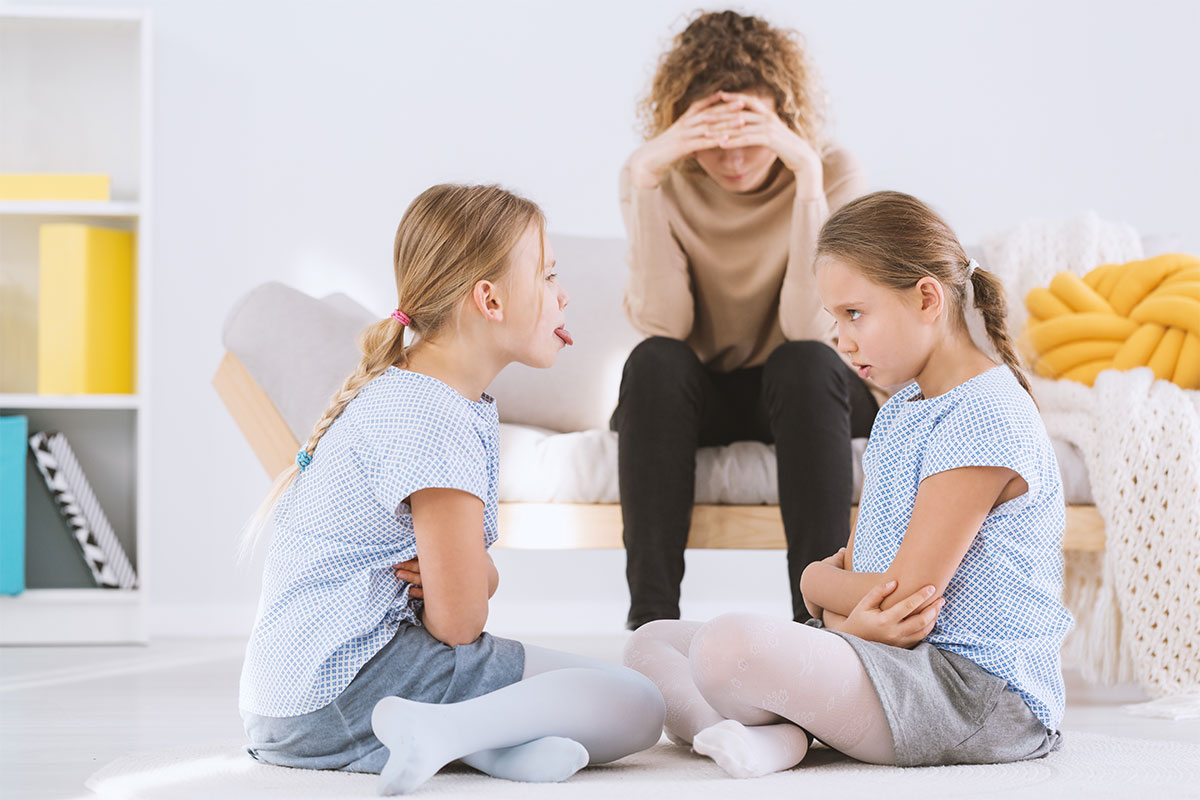
5 Tips From Nova Social Worker To Get Siblings Along


Comments
Post a Comment