Perfect Info About How To Prevent Natural Calamities
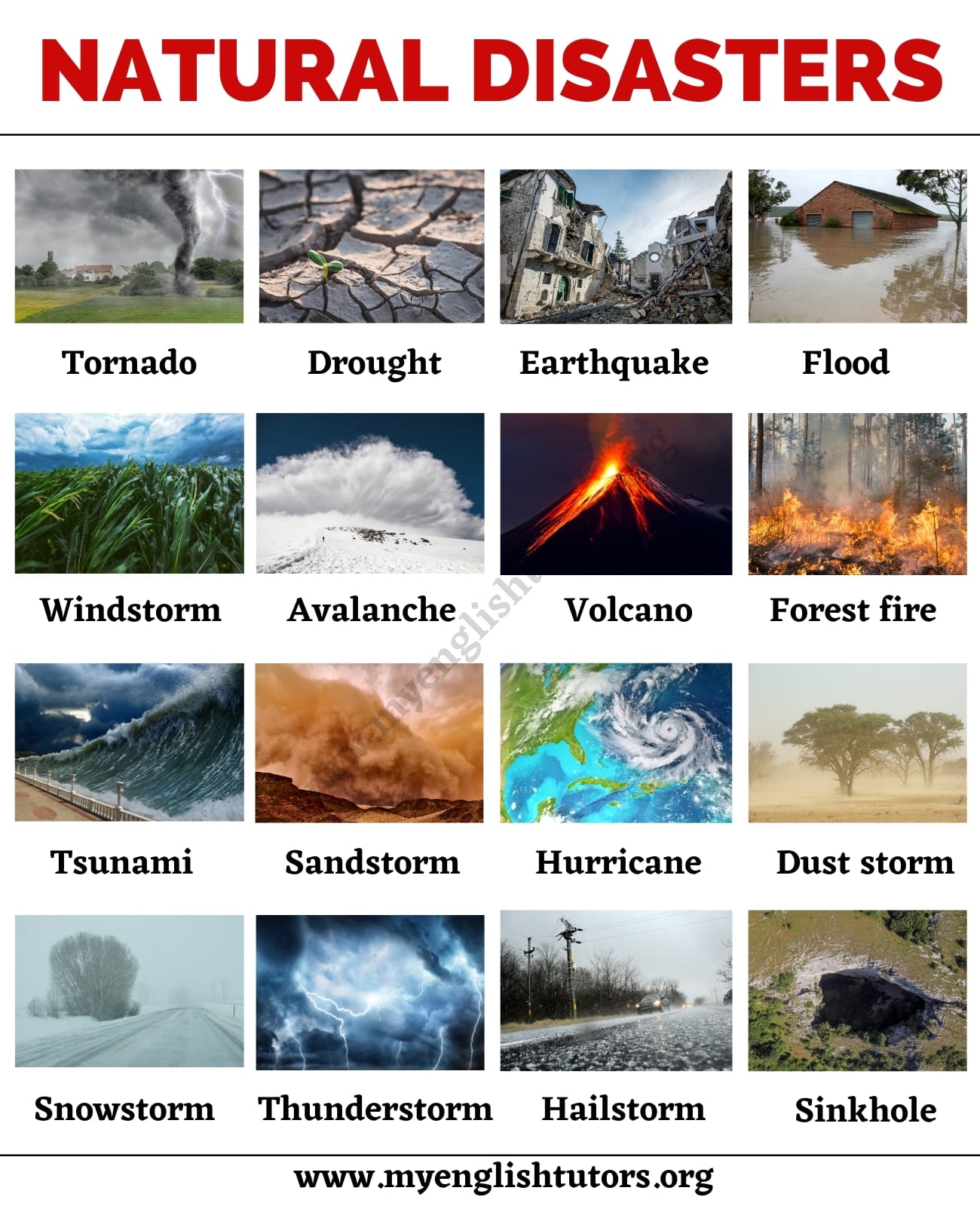
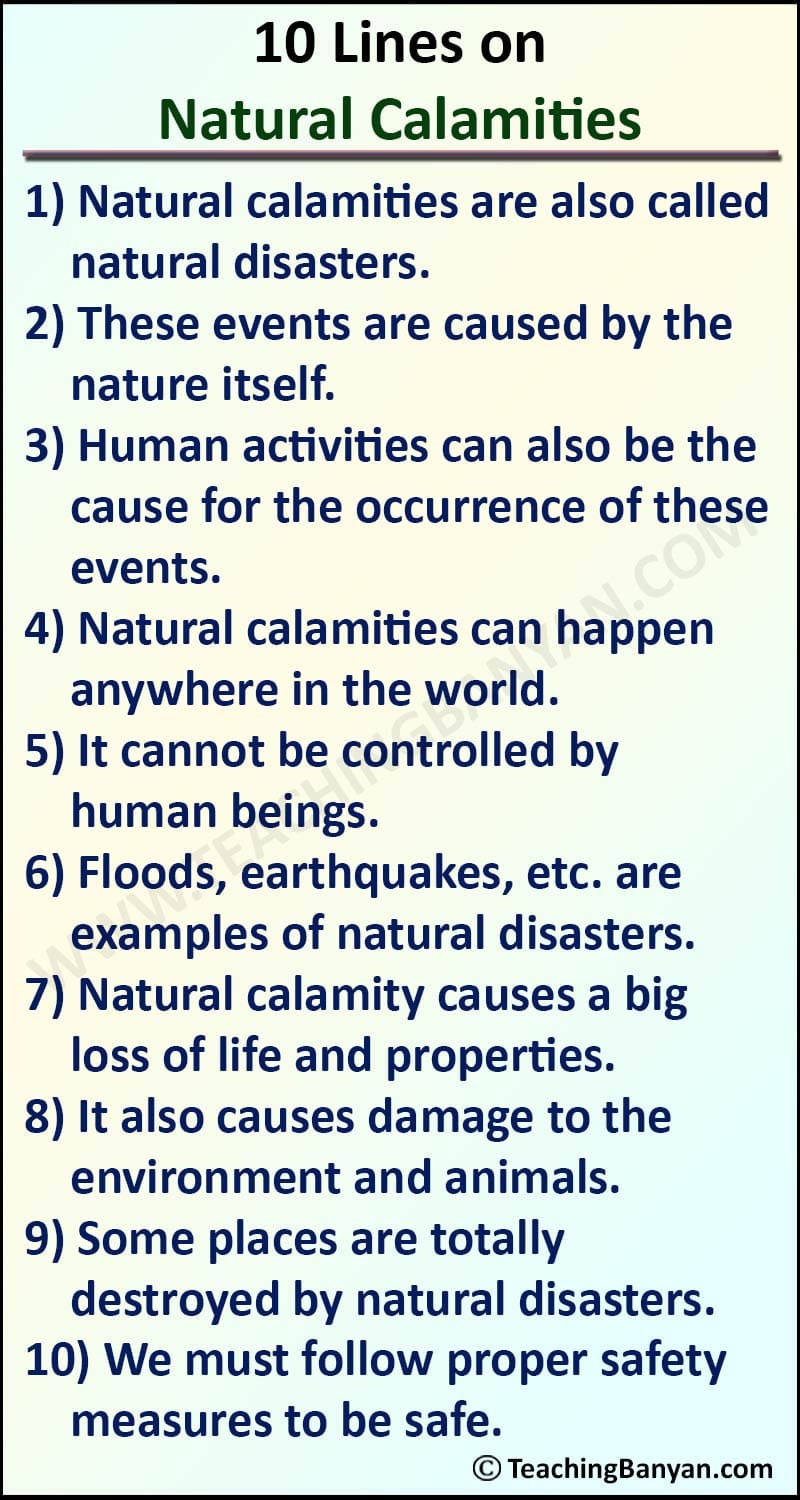 Preventing natural calamities is a challenging task because many of them, such as earthquakes, tsunamis, or volcanic eruptions, are driven by natural processes that are beyond human control. However, through proactive measures and understanding the science behind these events, we can mitigate their impact and, in some cases, prevent the loss of life and property damage. Here's how the theory of preventing natural calamities can be applied to real-life situations:
1. Understanding and Monitoring Natural Systems
Theory: One of the first steps in preventing or mitigating natural disasters is to understand the natural systems that lead to these events. Scientific research and monitoring are crucial. Application:- Earthquake Monitoring: Scientists study tectonic plate movements to identify fault lines and potential earthquake zones. Earthquake prediction is not yet precise, but by installing seismographs and monitoring ground movements, we can issue early warnings and prepare for aftershocks.
- Volcano Monitoring: Volcanologists study eruptions, magma movement, and gas emissions to predict volcanic activity. Areas near active volcanoes are closely monitored, and early evacuation plans are set in motion when warnings are issued.
2. Preparedness and Early Warning Systems
Theory: Preparedness is key to reducing the impact of natural calamities. Early warning systems save lives by alerting people before a disaster strikes. Application:- Flood Warnings: By using rainfall data, river gauge sensors, and weather predictions, authorities can issue flood alerts. Community-based early warning systems in flood-prone areas can prevent casualties by evacuating people ahead of a flood.
- Tsunami Alerts: After an underwater earthquake, sensors can detect the changes in sea level and send alerts to coastal communities, providing a few hours for evacuation before the tsunami strikes.
3. Disaster-Resilient Infrastructure
Theory: Infrastructure can be designed or retrofitted to withstand the forces of natural disasters. This concept of resilience focuses on ensuring that even when a disaster strikes, the infrastructure doesn't collapse. Application:- Earthquake-Resistant Buildings: In earthquake-prone regions, buildings are designed with flexible materials and reinforced structures to absorb shockwaves. Retrofitting old buildings to meet these standards can prevent mass casualties during an earthquake.
- Flood-Resistant Infrastructure: In flood-prone areas, elevated buildings, flood barriers, and drainage systems are constructed to prevent water damage and ensure that communities remain safe during heavy rains or rising river levels.
4. Environmental Conservation and Restoration
Theory: Protecting and restoring ecosystems can reduce the likelihood of certain natural disasters, like landslides, floods, or even droughts. Healthy ecosystems act as natural buffers. Application:- Mangrove Restoration: Mangrove forests along coastlines act as a barrier against storm surges and tsunamis. By restoring these ecosystems, coastal communities are protected from the full impact of natural disasters.
- Reforestation: Deforestation contributes to landslides and soil erosion. Reforesting areas with native trees helps stabilize soil, reducing the risk of landslides during heavy rains.
5. Community Education and Awareness
Theory: Education and awareness are vital for reducing risk during natural disasters. When communities are informed about potential hazards and know what to do, they can respond more effectively. Application:- Disaster Drills: Conducting regular drills for earthquakes, floods, and fires ensures that people know how to react when an event occurs. For example, teaching people to "drop, cover, and hold" during an earthquake can prevent injuries.
- Flood Management Training: Communities living near rivers can be taught about flood risks and evacuation routes. Educating farmers and rural communities on soil conservation techniques can also help reduce the likelihood of landslides.
6. Sustainable Development Practices
Theory: Avoiding reckless development in disaster-prone areas is essential for reducing the risk of natural calamities. Urban planning and zoning laws should take disaster risks into account. Application:- Building Codes: Enforcing building codes that limit construction in floodplains, unstable hillsides, or near active volcanoes can prevent disaster damage. For example, ensuring that houses are not built on floodplains or on unstable slopes reduces the chances of casualties from landslides and floods.
- Urban Planning: Cities in disaster-prone areas, such as Tokyo (earthquake-prone) or Jakarta (flood-prone), implement strict zoning laws that prevent construction in hazardous areas. They also invest in green spaces that can absorb water during heavy rains.
7. Research, Technology, and Innovation
Theory: Leveraging advanced technologies and conducting ongoing research can help reduce the risks of natural calamities by predicting them more accurately and improving response strategies. Application:- Artificial Intelligence in Disaster Prediction: AI is being used to analyze weather patterns, predict hurricanes, and simulate earthquake scenarios to improve early warnings. This technology can also help design cities that are better prepared for natural disasters.
- Drones and Remote Sensing: Drones can be used to survey disaster-stricken areas quickly, assess damage, and deliver aid. Remote sensing technologies like satellite imagery help monitor deforestation, track volcanoes, and predict landslides.
8. International Cooperation
Theory: Natural calamities do not respect borders. Cooperation between countries can help prevent or mitigate disasters, especially those that are regional or global in nature. Application:- Climate Change Mitigation: Natural disasters like hurricanes, droughts, and floods are exacerbated by climate change. International agreements like the Paris Climate Accord aim to reduce greenhouse gas emissions, which can help prevent extreme weather events.
- Disaster Response Networks: Countries with advanced disaster response systems, such as Japan or the United States, often share their knowledge, technology, and resources with countries that are less prepared to handle disasters.
9. Policy and Governance
Theory: Effective governance is essential for disaster prevention and mitigation. Governments must enact laws, policies, and frameworks that prioritize disaster risk reduction. Application:- Disaster Risk Reduction Policies: Governments can create national disaster response plans, set up risk assessment frameworks, and allocate funding for disaster relief. For example, in countries like Indonesia, the government has set up a national disaster agency (BNPB) to manage and respond to calamities.
- Insurance and Financial Support: Governments can encourage insurance schemes for homes and businesses in disaster-prone areas, ensuring that people have financial support to rebuild after a calamity.
Preventing natural calamities isn't entirely within our grasp, but by understanding and applying scientific knowledge, technological innovations, and smart governance, we can reduce the impact of these disasters. Through monitoring, preparedness, resilient infrastructure, environmental conservation, and global cooperation, we can not only survive but thrive in the face of nature's challenges. The key is a combination of forward-thinking policies, community awareness, and leveraging modern technologies to predict, prepare for, and respond to natural disasters in ways that save lives and reduce damage.
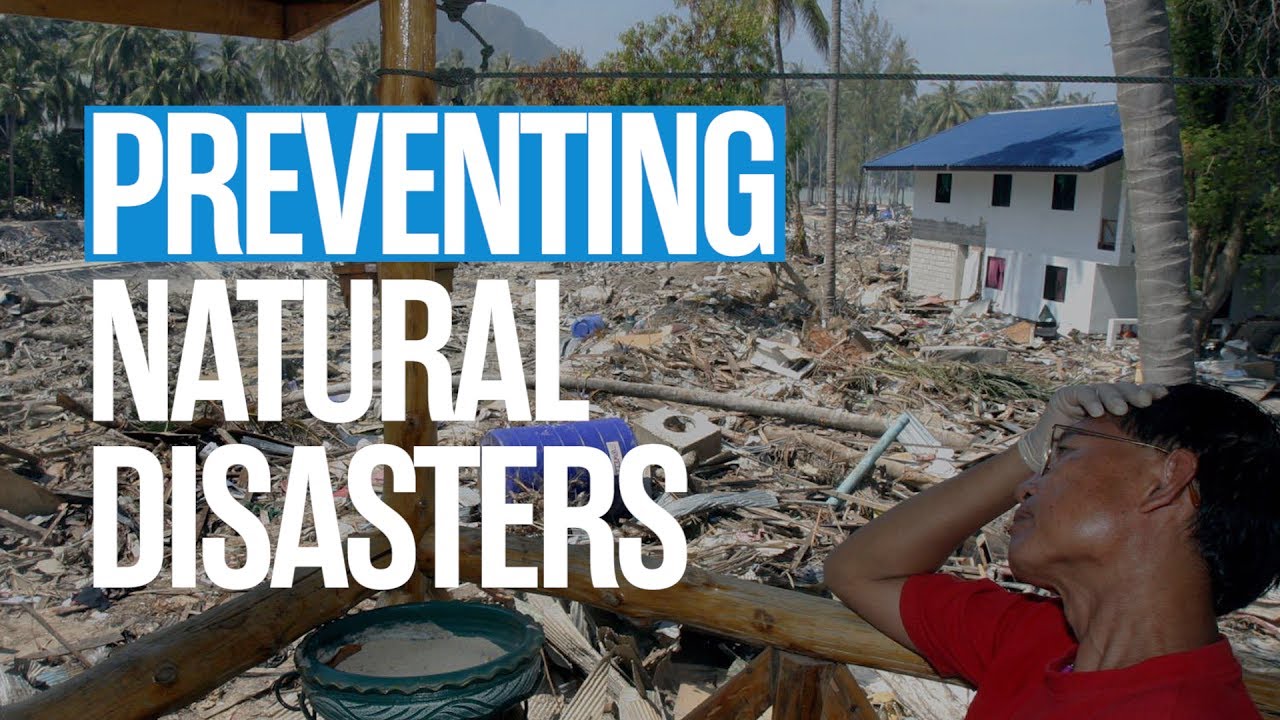
How Can Students Reduce The Impact Of Natural Disasters? 18

Natural Disaster Warning Signs

Natural Disasters Tips To Stay Safe And Minimise Damages

Natural Disasters Safe Steps


Comments
Post a Comment