Favorite Info About How To Fix Golf Clubs

Fixing golf clubs is a practical skill that can save money and extend the life of your equipment. Here's a step-by-step guide to fix common golf club issues:
By combining attention to detail, the right tools, and basic knowledge of golf club anatomy, you can confidently fix and maintain your clubs. It’s like giving them a second life—and elevating your game in the process!
1. Inspect the Problem Thoroughly
Theory in Action: Just like a doctor diagnoses a patient, identifying the issue with your golf club is crucial. Check for:- Loose clubheads: Wiggle the clubhead gently.
- Shaft damage: Look for cracks, bends, or splits.
- Worn grips: Check for smooth or peeling areas.
- Cosmetic damage: Assess scratches or paint chipping.
2. Repairing Loose Clubheads
Theory: Golf clubheads are glued to the shaft. Over time, this adhesive can weaken.- Steps:
- Heat the hosel (the part connecting the shaft to the clubhead) gently with a heat gun to loosen the old adhesive.
- Pull the clubhead off the shaft carefully using gloves or a clamp.
- Clean the hosel and shaft with acetone or rubbing alcohol to remove old glue.
- Apply a two-part epoxy adhesive evenly to the inside of the hosel.
- Reattach the clubhead, ensuring proper alignment.
- Allow the epoxy to cure for at least 24 hours.
3. Straightening Bent Shafts
Theory: A bent shaft disrupts swing dynamics and precision.- Steps:
- Secure the shaft in a vise with rubber or padded grips to avoid scratching.
- Slowly apply pressure in the opposite direction of the bend using a bending bar or similar tool.
- Check alignment frequently by rolling the shaft on a flat surface.
- If severely damaged, consider replacing the shaft instead.
4. Replacing or Fixing Golf Grips
Theory: Worn grips reduce control and increase hand strain.- Steps:
- Use a utility knife to cut the old grip off lengthwise. Be cautious not to damage the shaft.
- Remove the old adhesive tape by peeling or using a solvent.
- Apply double-sided grip tape to the shaft, covering its length.
- Slide the new grip over the taped area using grip solvent for lubrication.
- Align the grip properly and let it dry for 24 hours.
5. Refinishing Cosmetic Damage
Theory: Cosmetic fixes maintain the aesthetic appeal of your club.- Steps:
- Sand the scratched area lightly with fine-grit sandpaper (400-600 grit).
- Apply touch-up paint or clubhead-specific refinishing kits for deeper scratches.
- Let the paint dry and seal with a clear coat for durability.
6. Replacing a Shaft
Theory: If the shaft is beyond repair, replacement is inevitable.- Steps:
- Heat the hosel to remove the broken shaft.
- Measure the replacement shaft to match the original's length and trim accordingly.
- Insert the new shaft into the hosel using epoxy adhesive.
- Let it cure and check swing weight for adjustments.
7. Balancing and Testing
Theory: A well-repaired club must maintain its original balance.- Steps:
- Place the club on a swing weight scale to check balance.
- Make minor adjustments using lead tape if needed.
- Take the club to the driving range or course to test performance.
8. Regular Maintenance
Theory: Preventive care saves time and effort.- Steps:
- Clean grips, shafts, and clubheads after every game.
- Store clubs in a cool, dry place to avoid warping or adhesive failure.
- Inspect clubs periodically for signs of wear.
By combining attention to detail, the right tools, and basic knowledge of golf club anatomy, you can confidently fix and maintain your clubs. It’s like giving them a second life—and elevating your game in the process!

How To Fix A Slice Golf Slice, Lessons, Tips For Beginners

One Drill To Fix Your Entire Golf Swing Swing, Drills,

How To Fix Scratches On Golf Clubs (stepbystep Guide) Terms

Two Golf Clubs With The Words Open Vs Square On Them
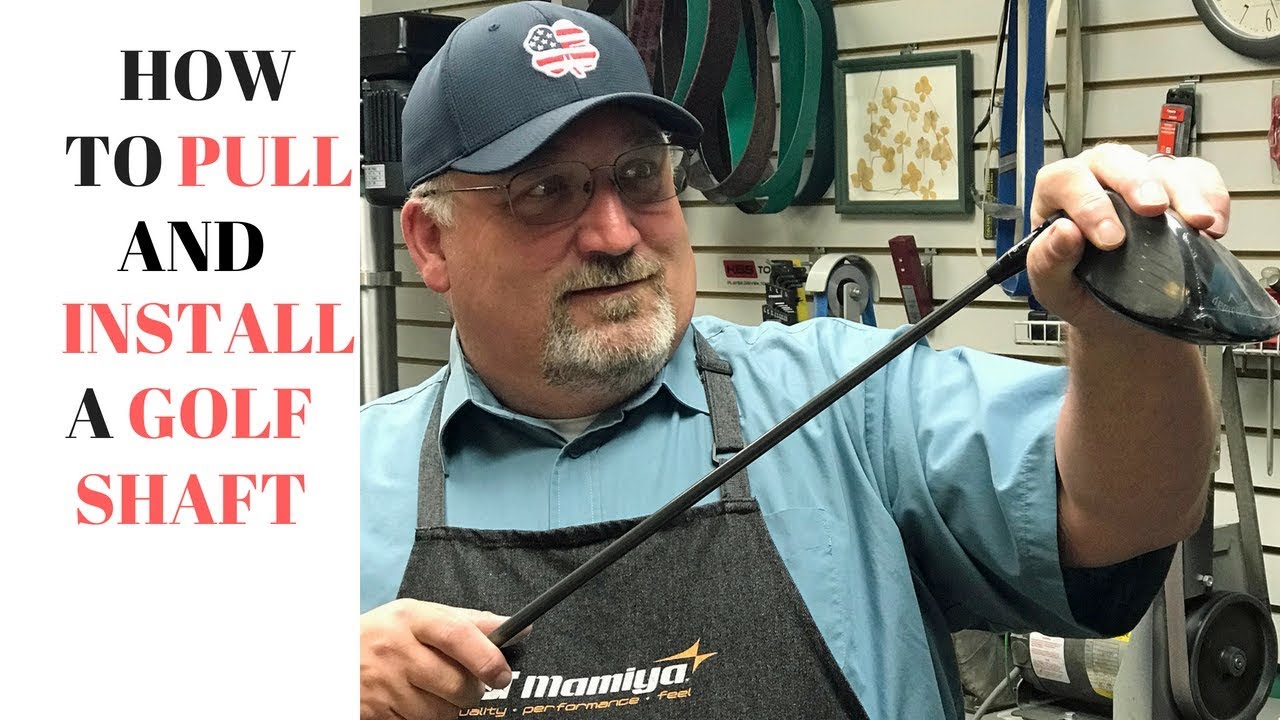
How To Repair A Golf Club Wastereality13



Comments
Post a Comment