Divine Tips About How To Increase My Credit Limit
 Let’s break down how to increase your credit limit using clear steps:
1. Review Your Current Situation
- Why: Before you ask for a limit increase, assess your current credit usage, payment history, and overall financial health. Lenders typically prefer to offer higher limits to customers with a solid track record.
- What to Do: Check your credit report for any errors or areas that need improvement (e.g., late payments or high utilization). Make sure your credit score is healthy—usually 680 or higher is ideal.
2. Research Your Lender's Criteria
- Why: Different banks and credit card issuers have varying requirements for increasing credit limits, such as time with the company or income verification.
- What to Do: Review the terms of your current credit card issuer and gather any information on their specific requirements for increasing limits. Look for the right timing, such as after a year of card ownership.
3. Prepare Financial Documents
- Why: Credit card issuers may want documentation to verify your income, employment status, or financial health.
- What to Do: Prepare your pay stubs, tax returns, or any other income statements that can demonstrate your financial stability. Some issuers may ask for updated information on your monthly income or assets.
4. Request the Increase
- Why: After meeting the criteria and preparing your financials, you need to formally request the credit limit increase. This is where many people hesitate, but it's a crucial step.
- What to Do: Contact your credit card issuer by phone, through their website, or via an app. Be polite and clear in explaining why you want the increase. Some issuers may automatically offer increases after a certain period, so keep an eye out for those opportunities.
5. Demonstrate Your Payment History
- Why: Credit card issuers want assurance that you can handle higher credit responsibly.
- What to Do: Mention how you’ve consistently paid your bills on time and kept your balance under control. Highlight your responsible credit usage and any positive changes in your financial situation (e.g., salary increases, debt reductions).
6. Be Mindful of the Credit Utilization Ratio
- Why: Credit utilization plays a huge role in determining your creditworthiness. A higher utilization ratio could hurt your chances of an increase.
- What to Do: Aim to keep your utilization below 30% of your current limit before asking for an increase. This shows that you’re not overly reliant on credit and can manage higher limits responsibly.
7. Wait for Approval or Decline
- Why: Once you’ve submitted the request, the lender will assess your creditworthiness and make a decision. This can take anywhere from a few minutes to a few weeks.
- What to Do: If your request is approved, congratulations! If denied, ask for feedback on why, and work on improving those areas (e.g., improving your credit score, reducing debt) for a future request.
8. Maintain Good Financial Habits
- Why: Even after an approved limit increase, maintaining solid financial habits is crucial to avoid overspending or falling into debt.
- What to Do: Keep making on-time payments and continue using your credit responsibly. The goal is to improve your creditworthiness over time so that when you request increases in the future, you’re seen as a low-risk borrower.
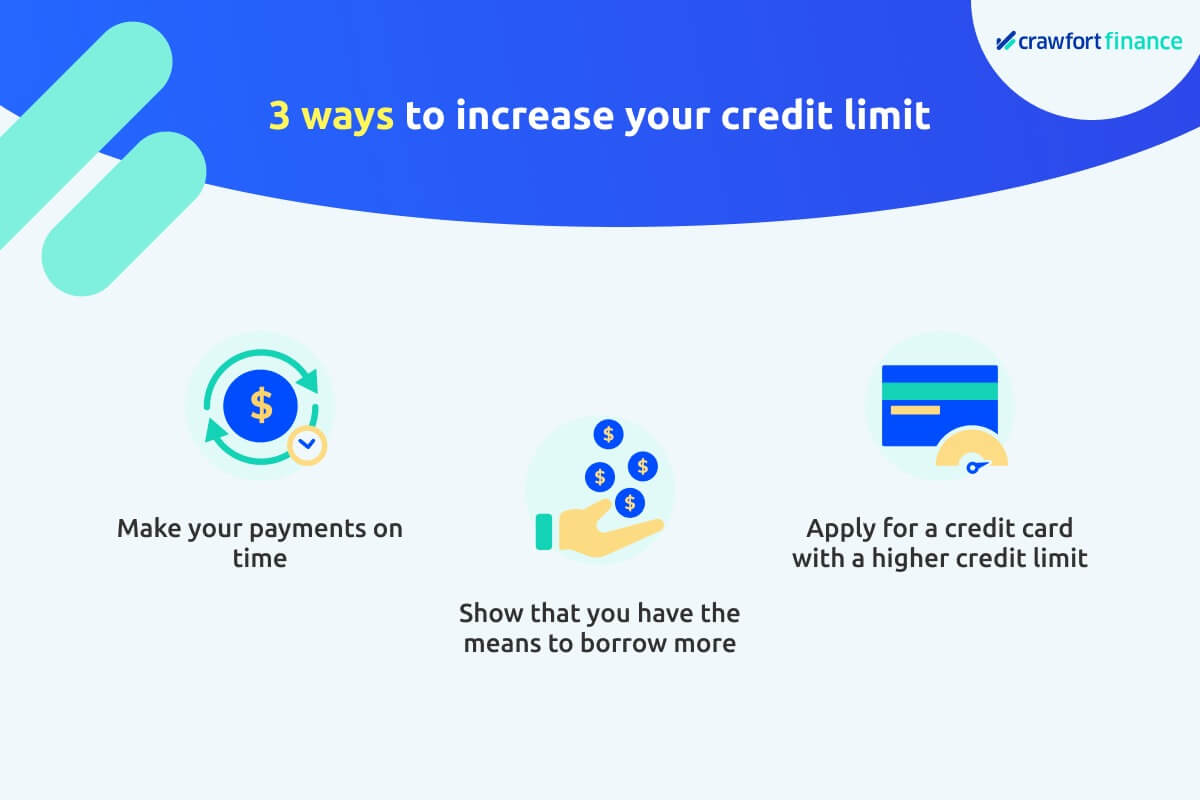
Credit Card Limit & Unsecured Limits In Singapore All You Need

Credit Limit Increase Cons Cleo
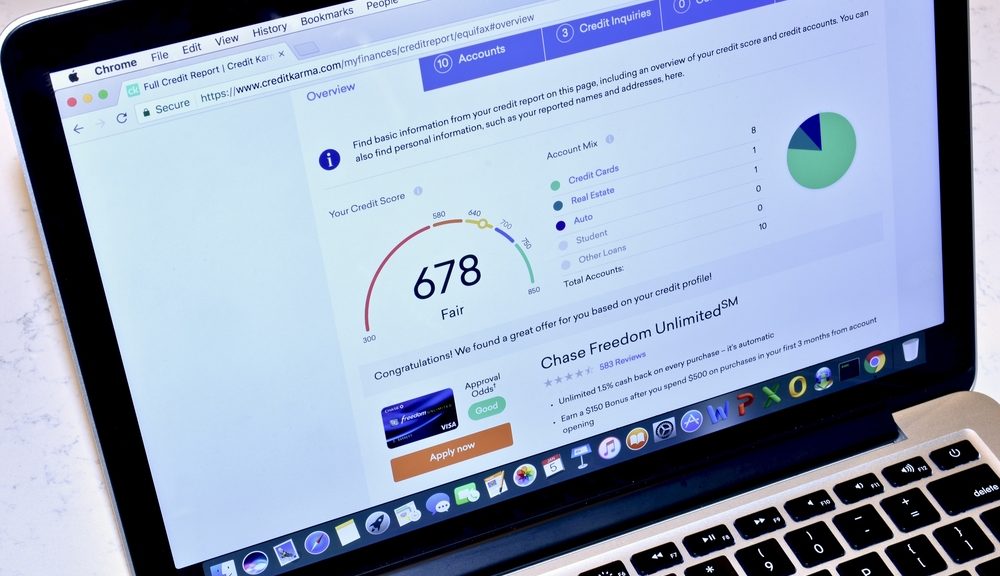
Will My Credit Score Improve If I Increase Limit? Vcardblog

Slice On Twitter "who Called It "slice, Please Increase My Credit

Should I Increase My Credit Limit? Here's What Experts Say


Comments
Post a Comment